

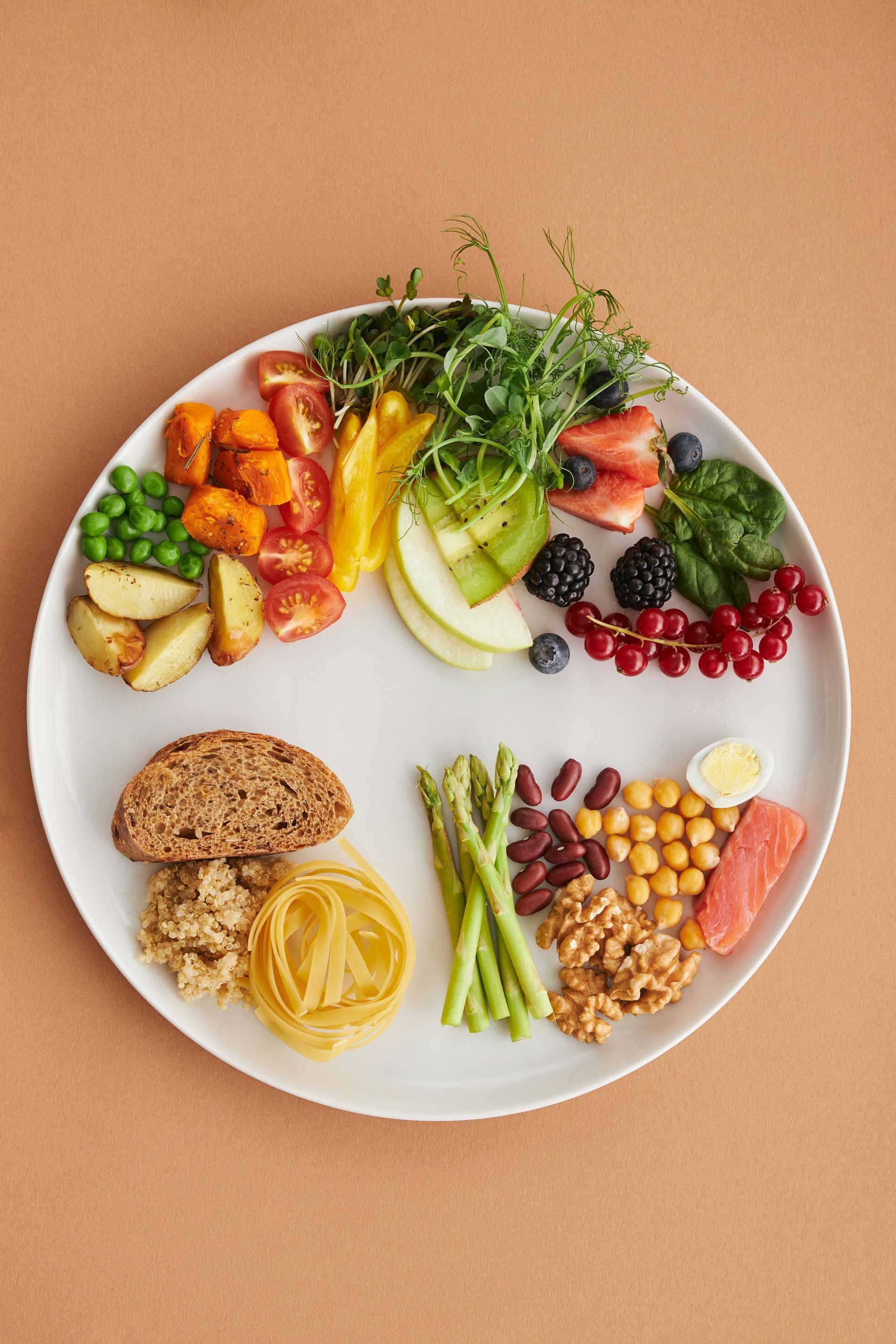
In an era of "influencer science" and overnight superfoods, the 2025-2030 Dietary Guidelines for Americans (released Jan 2026) have finally drawn a line in the sand. We are moving past the "fat is evil" or "carbs are poison" era into the era of nutrient density . Here are the ten indisputable, evidence-based rules for fueling your body in 2026. 1. Prioritize Protein Quality The "protein hype" is now backed by hard data. Current guidelines suggest 1.2 to 1.6 grams of protein per kilogram of body weight for most active adults. Whether from lean meats, eggs, or plant sources like lentils, protein is the non-negotiable anchor for metabolic health and muscle preservation. 2. Fiber First If 2025 was the year of protein, 2026 is the year of fiber. Aim for 25-35 grams per day . High fiber intake is directly linked to lower risks of cardiovascular disease and improved gut microbiome diversity. If it doesn't crunch or have a skin, you're probably missing out. 3. Kill the "Added Sugar" Habit The new gold standard is strict: no more than 10 grams of added sugar per meal. Science has confirmed there is no "safe" amount of added sugar that benefits the body; it is purely empty energy that drives systemic inflammation. 4. Distinguish "Highly Processed" from "Packaged" Not all processing is bad (frozen spinach is great), but ultra-processed foods (UPFs)-those with long lists of stabilizers, dyes, and emulsifiers are now officially linked to metabolic dysfunction. If the ingredient list looks like a chemistry final, put it back. 5. Embrace Whole-Food Fats The war on fat is over. Focus on whole-food fats like avocados, nuts, and seeds. While the 10% limit on saturated fat remains for heart health, the source matters: a steak or full-fat yogurt is biologically distinct from the trans fats found in shelf-stable snack cakes. 6. Hydration Over Liquid Calories Water remains the undisputed champion. With the rise of GLP-1 medications and metabolic awareness, liquid calories (sodas, "fruit" drinks, and energy drinks) are recognized as the fastest way to spike insulin and stall progress. 7. Whole Grains > Refined Carbs Carbs aren't the enemy-refinement is. Swap white bread and flour tortillas for fiber-rich whole grains like quinoa, oats, and brown rice. These provide the slow-burn energy your brain needs without the "crash and crave" cycle. 8. Eat the Rainbow (Literally) Phytochemicals and antioxidants found in colorful vegetables are the body's "repair crew." Current evidence suggests a variety of colors is more important than mega-dosing a single "superfood" like kale. 9. Personalize, Don't Generalize Nutrition is not "one size fits all." Factors like age, activity level, and metabolic health change your requirements. Use data-not memes-to determine your caloric needs. 10. Real Food First Supplements are exactly that: supplemental. The synergy of nutrients in real, whole food cannot be replicated by a multivitamin. Focus on the plate before the pill bottle. Your 24-Hour Challenge The easiest way to start? Audit your next meal. Ensure it has a clear protein source, at least one high-fiber vegetable, and zero added sugars.

It’s officially the week where New Year’s resolutions meet reality. In the industry, we call this the "Fresh Start Effect." Whether it’s the calendar flipping to January or the first signs of spring renewal, our brains are hardwired to use these milestones as "temporal landmarks" to leave our past selves behind and start fresh. If you’re feeling that pull right now, you aren't alone. Here is the evidence-based look at why we do this, the numbers behind it, and how to actually make it stick without a pharmacy. The Science of "New Year, New Me" Why does weight loss dominate the conversation every January? Research suggests it’s more than just post-holiday guilt. Psychologically, we view the New Year as a discontinuity in time. This allows us to mentally "erase" previous failures and view our "New Year Self" as more capable than our "Old Year Self." Spring acts as a secondary trigger. Known as the "Spring Renewal," the increase in daylight hours naturally boosts serotonin, often increasing our motivation for physical activity and a desire to "shed" the literal and metaphorical layers of winter. The Numbers: 2026 Weight Loss Landscape The Resolution Giant : Approximately 50% of U.S. adults have made a resolution to start a new diet or lose weight for 2026. The Struggle is Real: Studies show that about 75% of people abandon these resolutions within the first month. In fact, the second Friday of January is widely known as "Quitter’s Day." The Health Shift: Despite the rise of medications like GLP-1s, over 84% of consumers still rank "wellness" as a top priority, with a growing trend toward "natural" and lifestyle-based interventions. The Success Gap: Historically, only about 20% of people who lose significant weight manage to keep it off for more than a year, highlighting the need for sustainable habits rather than "quick fixes." 10 Actionable, Evidence-Based Strategies (No Meds Required) If you want to beat the "Quitter's Day" statistics, focus on biology and behavior, not just willpower. Prioritize Protein First: High protein intake (roughly 25–30g per meal) increases satiety hormones like GLP-1 naturally and reduces the hunger hormone ghrelin. The "Water First" Rule: Drink 16oz of water 20 minutes before every meal. Studies show this can lead to significantly greater weight loss by naturally reducing calorie intake. The 10-Minute Post-Meal Walk: Light activity immediately after eating helps blunt the blood sugar spike, improving insulin sensitivity and fat storage management. Practice "Crowding Out": Instead of saying "I can't have sugar," tell yourself "I must have two cups of vegetables first." By the time you eat the veggies, you're often too full for the junk. Standardize Your Sleep: Sleep deprivation mimics the brain chemistry of hunger. Aim for 7–9 hours to keep your "fullness" hormones (leptin) at peak levels. Use Smaller Plates: It sounds simple, but the Delboeuf Illusion proves that we eat less when the plate looks "full," even if the portion is smaller. Identify "Liquid Calories": Swapping soda or sugary lattes for sparkling water or black coffee is often the single most effective way to drop 1–2 pounds a month without changing a single meal. Eat Without Screens: Mindful eating—paying attention to the texture and flavor of food without a phone or TV—allows your brain to register "fullness" signals before you overeat. The "One Anchor" Habit: Don't change your whole life at once. Choose one "anchor" (like a set breakfast) and don't change anything else until that habit is automatic. Increase Fiber Intake: Aim for 25–30g of fiber daily. Fiber slows digestion and feeds the "lean" bacteria in your gut microbiome. A Moment for Introspection Before you buy the gym membership or clear out the pantry, take a second to sit with this question: "If I achieved my health goals tomorrow, what is the very first thing I would do that I feel I can't do today—and is there a way to start doing a version of that right now?" Often, we realize that the "wellness" we're seeking isn't just a number on the scale, but a feeling of freedom.

We often treat "health" as a series of metrics: a target heart rate, a body fat percentage, or a 5k PR. But true wellness is the intersection of biological vitality and philosophical purpose. Today’s post dives into the profound memoir When Breath Becomes Air by Dr. Paul Kalanithi. It is a story of a brilliant neurosurgeon who, at age 36, was diagnosed with Stage IV lung cancer. He went from being the doctor treating the dying to the patient fighting for a life worth living. The Book in Brief: When Breath Becomes Air Kalanithi’s memoir is a lyrical, heartbreaking, yet ultimately hopeful exploration of what makes life meaningful when the "future" is no longer a given. He chronicles his transition from a driven medical resident to a father and patient, searching for the answer to one question: What makes a life worth living in the face of death? The book doesn’t offer easy platitudes. Instead, it offers a raw look at the fragility of the human body and the resilience of the human spirit. Reverse Engineering a Meaningful Life: Lessons for the Living "Reverse engineering" your life means looking at the inevitable end and working backward to ensure your daily actions align with your ultimate values. Here are the key takeaways from Kalanithi’s journey applied to your health and mindset: Time is the Only Non-Renewable Resource Kalanithi spent years "deferring" life for his career, only to find his time cut short. The Lesson: Stop waiting for a "better time" to prioritize your well-being. Whether it's starting that training program or taking a mental health day, the time is now. Health is the Foundation of Agency Paul’s greatest struggle wasn't just physical pain; it was the loss of agency—the ability to do the things he loved. The Lesson: View exercise and nutrition not as chores, but as maintenance for your freedom. We train so that when life asks something of us, our bodies can say "yes." Focus on "The Moral Vector" Kalanithi argues that life isn't about avoiding suffering, but about finding the meaning within it. The Lesson: In your fitness journey, the "suffering" (the hard intervals, the discipline of a diet) should serve a purpose. If your health routine doesn't make you a more capable, present, and joyful person for others, it’s time to recalibrate. The Biological Reality of the Mind As a neurosurgeon, Kalanithi saw how physical changes in the brain altered personality and spirit. The Lesson: Treat your brain like the biological organ it is. Sleep, hydration, and movement aren't just for your muscles; they are the chemical requirements for a clear, resilient mind. Actionable Takeaway: The "One Year" Filter If you found out today that you had exactly one year of high-functioning health left, what would you change about your current routine? Would you keep the same "grind" at the gym, or would you move in ways that make you feel alive? Would you stress over the same 5 pounds, or would you focus on the energy needed to play with your kids? Reverse engineer your life today so you don't have to regret it tomorrow .

If you're anything like me, you've probably laughed, cried, and felt a serious urge to make biscuits while watching Ted Lasso. But beyond the humor and heart, "Ted Lasso" is a goldmine of surprisingly profound health and fitness lessons. Forget your fancy gym memberships for a moment, and let's channel our inner AFC Richmond! 1. "Believe" - The Power of a Positive Mindset Ted's iconic "Believe" sign isn't just for football; it's a mantra for life, and especially for your health journey. How often do we sabotage ourselves before we even start, thinking "I can't lose weight" or "I'll never run a marathon"? Ted teaches us that belief isn't naive; it's the bedrock of progress. Start believing you can make healthier choices, can feel stronger, and can achieve your fitness goals. That mental shift is half the battle won. Building a healthier version of yourself doesn't require a drill sergeant; sometimes, it just requires a little "Lasso Way." Here are a few more lessons from the pitch to help you tackle your fitness goals. 2. "Be a Goldfish" – Short Memory for Setbacks Ted famously tells Sam Obisanya that the happiest animal on Earth is a goldfish because it has a 10-second memory. In fitness, we often let one "bad" meal or one missed workout spiral into a week of giving up. The Lesson: If you slip up, don't wallow in guilt. Be a goldfish. Acknowledge it, let it go, and focus on the very next choice you make. Your fitness isn't defined by one mistake, but by your ability to move on quickly. 3. "The Richmond Way" – It’s About the Team The Diamond Dogs know that we’re better when we work together. Whether it’s Roy Kent grudgingly joining the yoga moms or the team rallying around a teammate, community is a catalyst for change. The Lesson: Find your "Diamond Dogs." Whether it's a workout buddy, a running club, or an online community, having a support system keeps you accountable and makes the hard miles feel a lot shorter. 4. Progress Over Perfection (The "Nate the Great" Trap) Nate’s journey reminds us that seeking external validation and instant "greatness" can lead to burnout and bitterness. Real growth is slow, often quiet, and happens when no one is watching. The Lesson: Stop comparing your "Day 1" to someone else’s "Year 5." Focus on incremental improvements—the "Total Football" approach to your body where every small movement contributes to the larger goal. "For me, success is not about the wins and losses. It's about helping these young fellas be the best versions of themselves on and off the field." — Ted Lasso Apply that to yourself: Health isn't just a number on a scale; it's about being the best version of you so you can show up for the people you love.
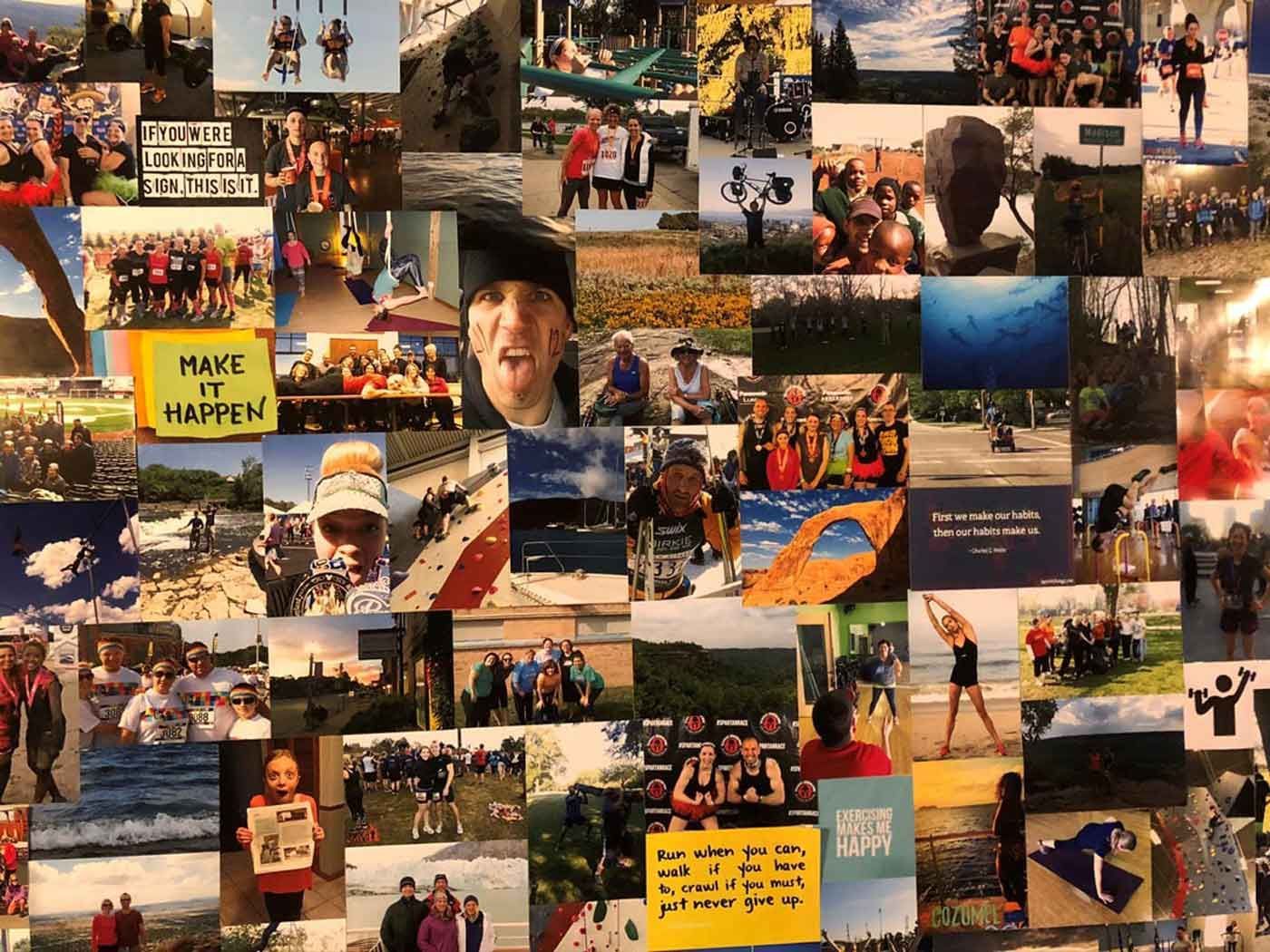
February 22, 2022 Military service members, veterans, and their families are celebrated for their commitment to service of our nation and the sacrifices that come along with that commitment. The sentiment “thank you for your service” Is synonymous with “thank you for your sacrifice”. During our time of service we likely grew into warriors but we did so at the risk of not being mothers and fathers, husbands and wives, sisters and brothers to the families that we left behind. And while some people sacrificed time with their loved ones others sacrificed everything. No one gets anywhere without sacrifice. The very nature of time, energy and attention is that where we direct it will likely grow and see progress. As a result of turning our resources toward something it naturally must come away from something else. In the civilian world the stakes are often lower. It’s not life or death though it may feel that way. Perhaps the best any one of us can hope for is to align our limited resources of time, energy and attention to the things we value most. Thus allowing the sacrifices to be in areas that we value less. Where this becomes a problem in my humble opinion is when the thing we sacrifice is our health for health is the very thing that we draw our energy to serve from. Lose it and we have nothing to give. What are you sacrificing? If your answer is nothing either you’ve either fooled yourself; justify the sacrifice; or are simply unaware. Which one is it? Fool yourself and you will likely say something like “my time, energy and resources are aligned perfectly with my values” or perhaps “this is an impossible riddle”. Justify and the voice inside your head may tell you “the things you’re missing out on have no value to you”. If that’s true… that sounds lovely. If you’re unaware I fear you may be settling for sacrifices that may not need to be made at a costly expense. Again if it comes in the way of your health I worry that you are under cutting the very source of energy that could provide for you and your loved ones. Killing the fabled goose that lays the golden eggs. Health is a precious commodity and is available to us all for a limited time. We may test it and push it lower on the priority list for only so long before we can not reclaim it. I do not write this to pass judgment on you for how you live your life. Rather I write them as an amplifier of the voice of health and happiness that may loom in your subconscious. Check in with these voices. I hope they lead to sparks of curiosity and consideration in those who may not have sat with these questions. I am by no means the standard bearer. In retrospect my own resources used to be 180 degrees from my values. Today after some realignment I’m on course and can now accept that my sacrifice has come in the way of earning more money. I have turned down opportunities to earn more so that I could remain flexible to be with my family and friends and to follow my heart‘s passion when the opportunities present themselves. My values are family, service to others health and personal freedom… in that order. I would sacrifice my life for my girls but everything else must fall in line behind them. Do what you will with your time, energy, and resources but do so conscious of the sacrifices you make each day. I challenge you to ensure that your commitment of resources aligns with your values and that your sacrifices are not made needlessly. For evaluation of your own values and resources try the viacharacter.org survey. It will take you about 15 minutes but may save you years of needless sacrifice. For help aligning your actions contact me at www.livebaancefit.com. Be Well, Garrett Stangel, MA, ACSM EP-C, ACE CMES/HC Health, Performance and Lifestyle Coach Balance Fitness / 9 Round Fitness www.livebalancefit.com
March 21, 2023 “Before fixing what you’re looking at, check what you’re looking through. It was a beautiful sun filled day. I had driven 300 miles to see her. She was ninety- and had been in one room for close to eight months. I was her first-born grandson and she was so happy to see me. But after catching up, we sat in silence on the edge of her bed, and finally, she complained how gray a day it was. I realized then that her one window hadn’t been cleaned in almost a year. When I said this, she chuckled, as only someone of ninety-four can, and uttered with her Russian accent, “Got a dirty eye, see a dirty world.” It is the same with our minds and hearts. For our very self is the one window we have into this life. And so often we suffer the mood of a dirty window, believing the brilliant world gray. Perhaps the purpose of an authentic relationship is to help each other keep our minds and hearts clear. Perhaps inner work is the ordinary art of window washing, so that the day is fully the day.” This story and so many more in the world of philosophy challenge us to see the world through new eyes. As we departed 2019, I read so much on social media of people talking about how bad 2019 was only to usher in the covid era in 2020. After nearly a year of social distancing, civil unrest, and seemingly eternal fires, the social media posts read good riddens to 2020 hoping for a better 2021. And now, here we are in 2021 with attacks on the US capitol, new covid strains, record low temperatures and accompanied power outages. The hits keep rolling. If we are looking through a dirty eye, that may be all that we can see. This world has seen and endured worse. From the black death and multiple flu pandemics to civil and world wars struggle is nothing new to this planet and its human inhabitants. And while these disasters are all consuming when they occur, they are not the totality of the human experience even at their height. The sun rises again seemingly more brilliant than the last and there is more color and life to live if we choose to see it. Can you see it? Even when we are isolated, there is irrepressible love of friends, family, and even pets that cannot be denied. When we look more closely we can see the union of people joining to oppose injustice and disease and we see random acts of kindness, random acts of humanity on the rise to battle against violence and fear. Can you see it? Clean your windows. Look today for what is right rather than what is wrong. In this moment, can you name three things you are grateful for? Seriously, stop reading and take a pause to be grateful. How does your head and your heart feel when you pause for gratitude? Step in and look a little closer to see the truly amazing little things that are right now. Or step back and look at the big picture. At any given moment there is likely more right than wrong with the world. Keep that perspective in mind. Be Well, Garrett Stangel, MA Health and Performance Coach For more help managing the stress of the day, check out some of our other blogs or reach out to a health coach to learn how to cultivate your own sunshine.